
Report – Built Heritage Conservation Training Camp at Bánffy Castle in Bonțida, 2026
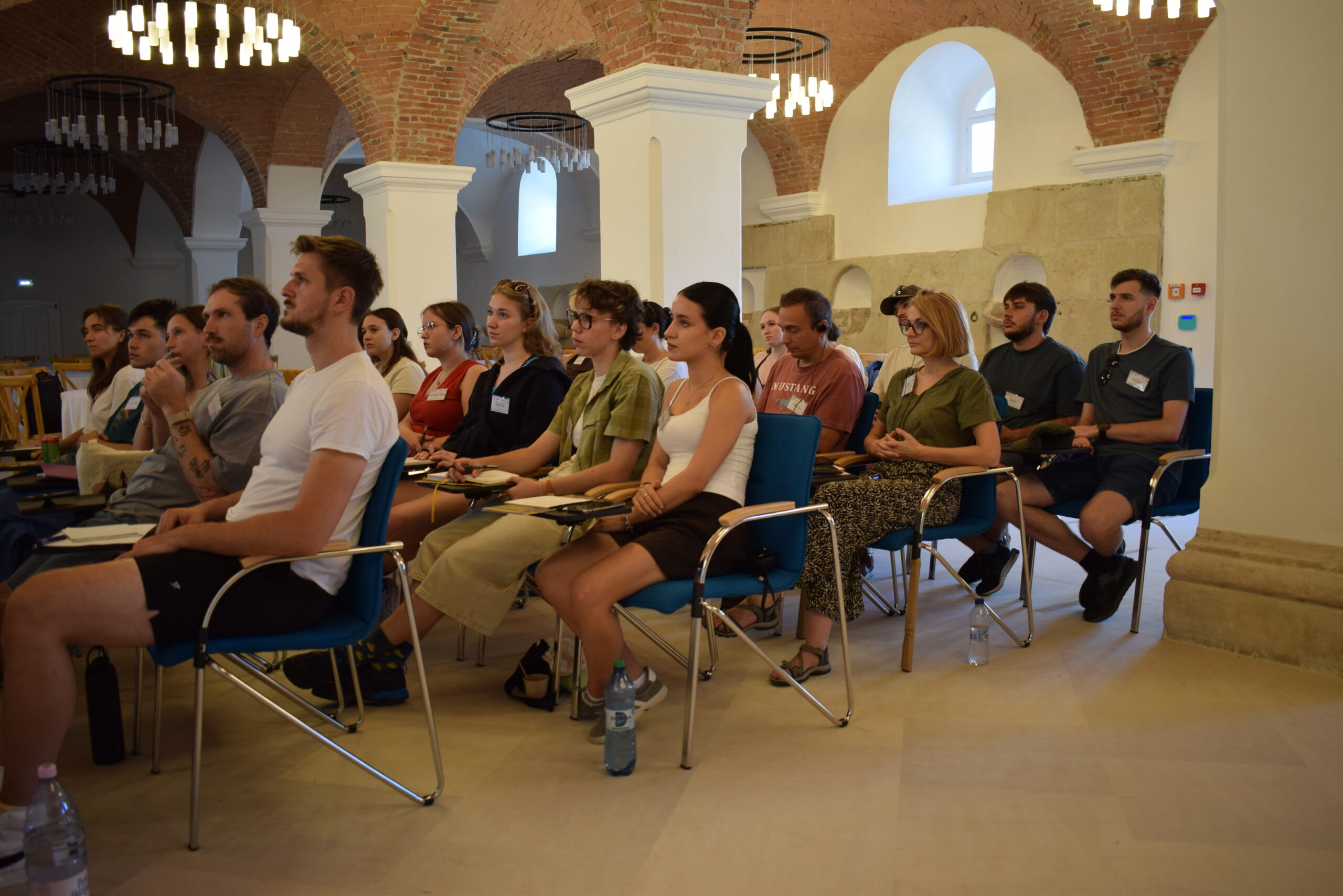
Between 2 and 15 August 2026, we once again organised the Built Heritage Conservation Training Camp at Bánffy Castle in Bonțida. This year’s programme brought together 25 participants, most of them from Romania, as well as participants from Hungary, Croatia, the United Kingdom and the United States.
For 25 years, the Transylvania Trust Foundation has organised summer conservation camps, research programmes and creative workshops with the aim of raising awareness of the value of built and intangible cultural heritage and providing practical knowledge for its preservation. The Built Heritage Conservation Training Centre, established at the castle in 2005, is based on the principle of “learning through conservation and conserving through learning”. To date, approximately 3,100 participants from 32 countries around the world have taken part in our educational programmes.
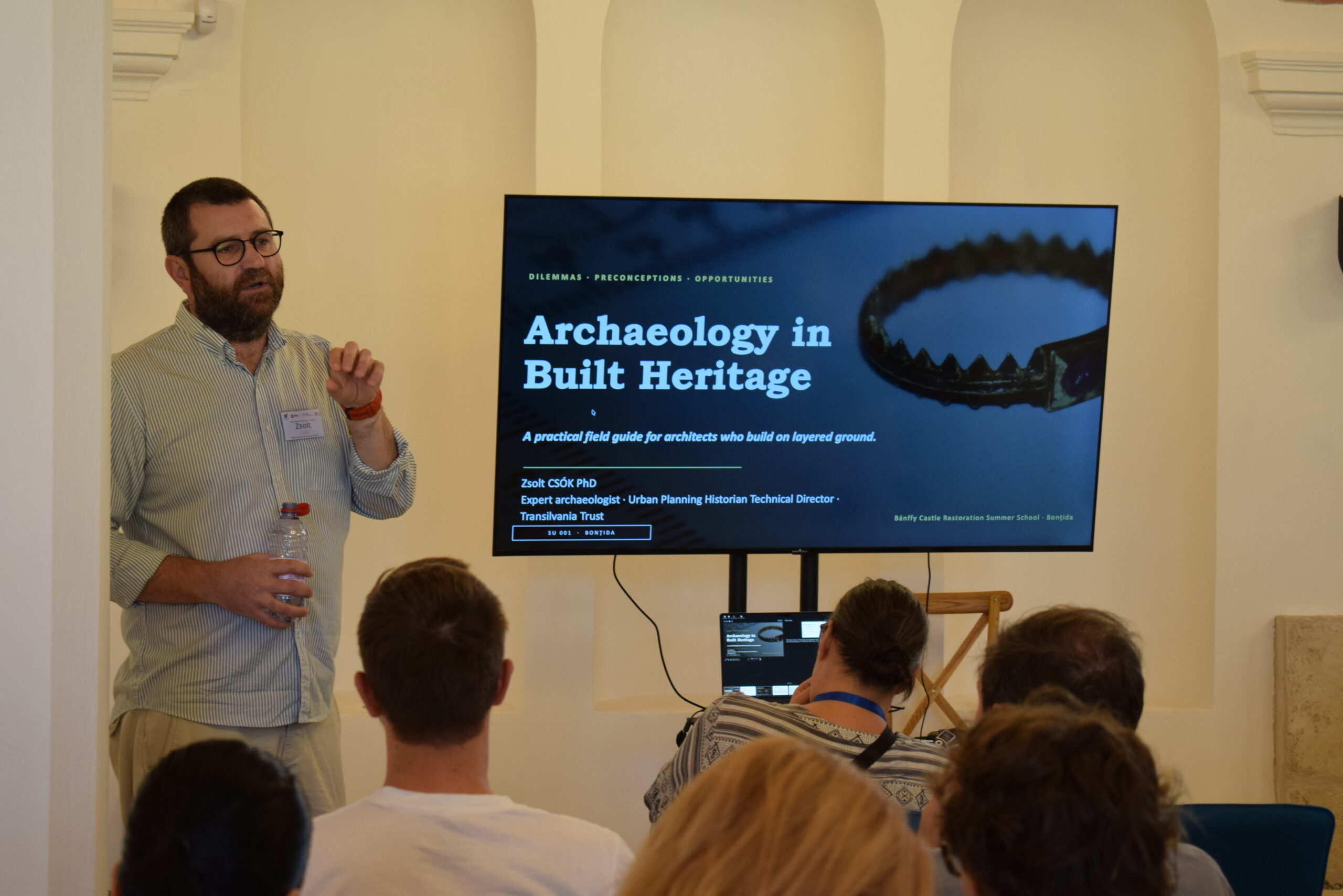
This year’s two-week camp once again combined theoretical knowledge with hands-on experience. The programme was aimed primarily at students of architecture, civil engineering, landscape architecture, archaeology, art history and other related fields, as well as construction professionals and anyone interested in built heritage conservation.
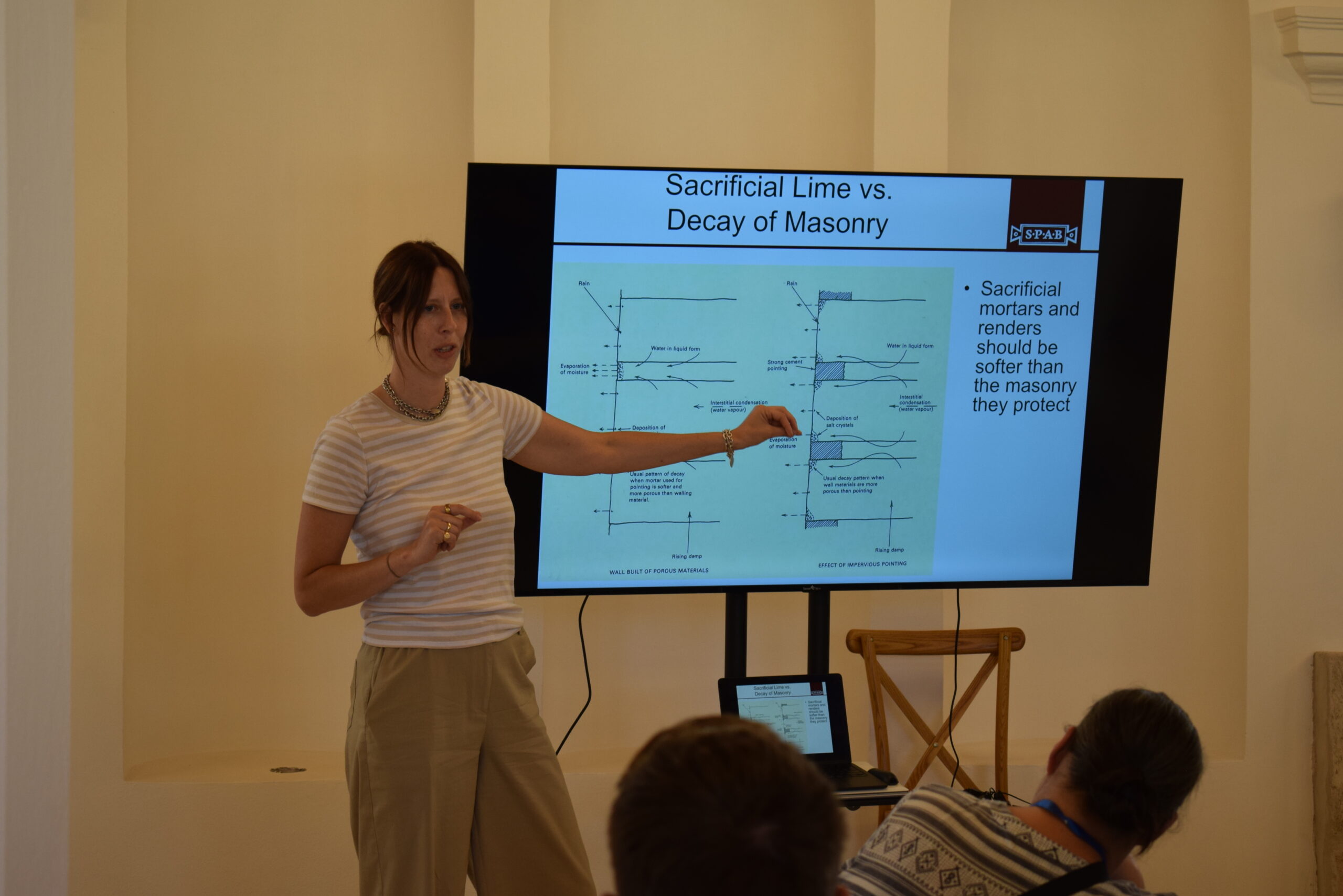
The training programme began with a series of theoretical lectures. Zsolt Csók, Technical Director of the Transylvania Trust Foundation, first introduced the Built Heritage Conservation Training Centre at Bánffy Castle in Bonțida, before giving a lecture entitled The Role of Archaeology in Built Heritage Management. He was followed by architect Nicole Sutton, who spoke about historic building materials, the importance of minimal intervention and continuous maintenance, as well as the compatibility of techniques and materials.
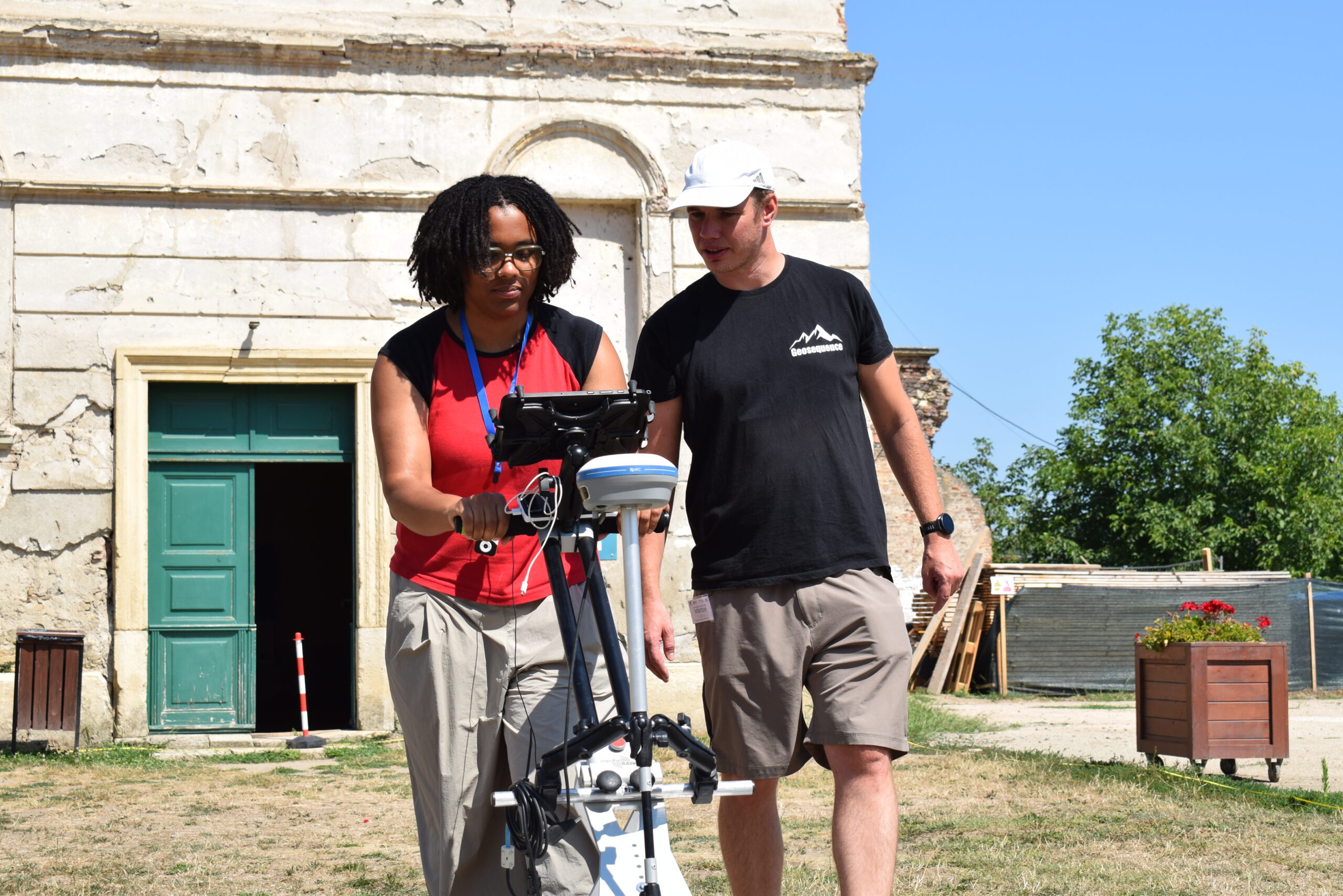
István Kudó, geophysicist, and Márton Bujdosó, geophysicist and geoinformatics engineer, introduced ground-penetrating radar surveying as a non-invasive research method. Participants later had the opportunity to put this knowledge into practice by testing the method in the castle courtyard.
The theoretical programme continued with architect Endre Ványolós, who presented examples of urban planning and public-space interventions in historic settings. Art historian Zsuzsanna Eke gave a brief introduction to the history of Bánffy Castle in Bonțida, followed by a guided tour of the castle.
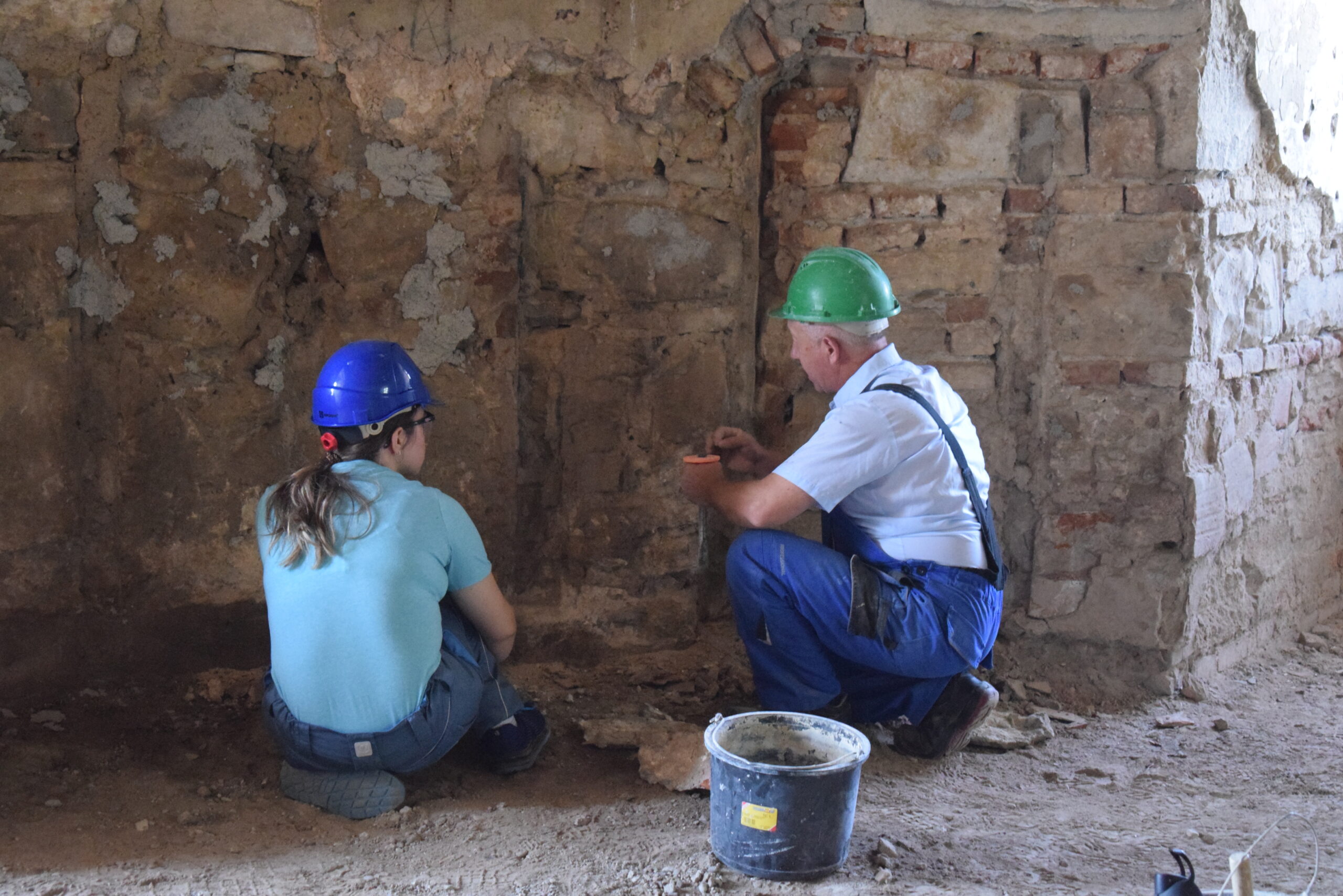
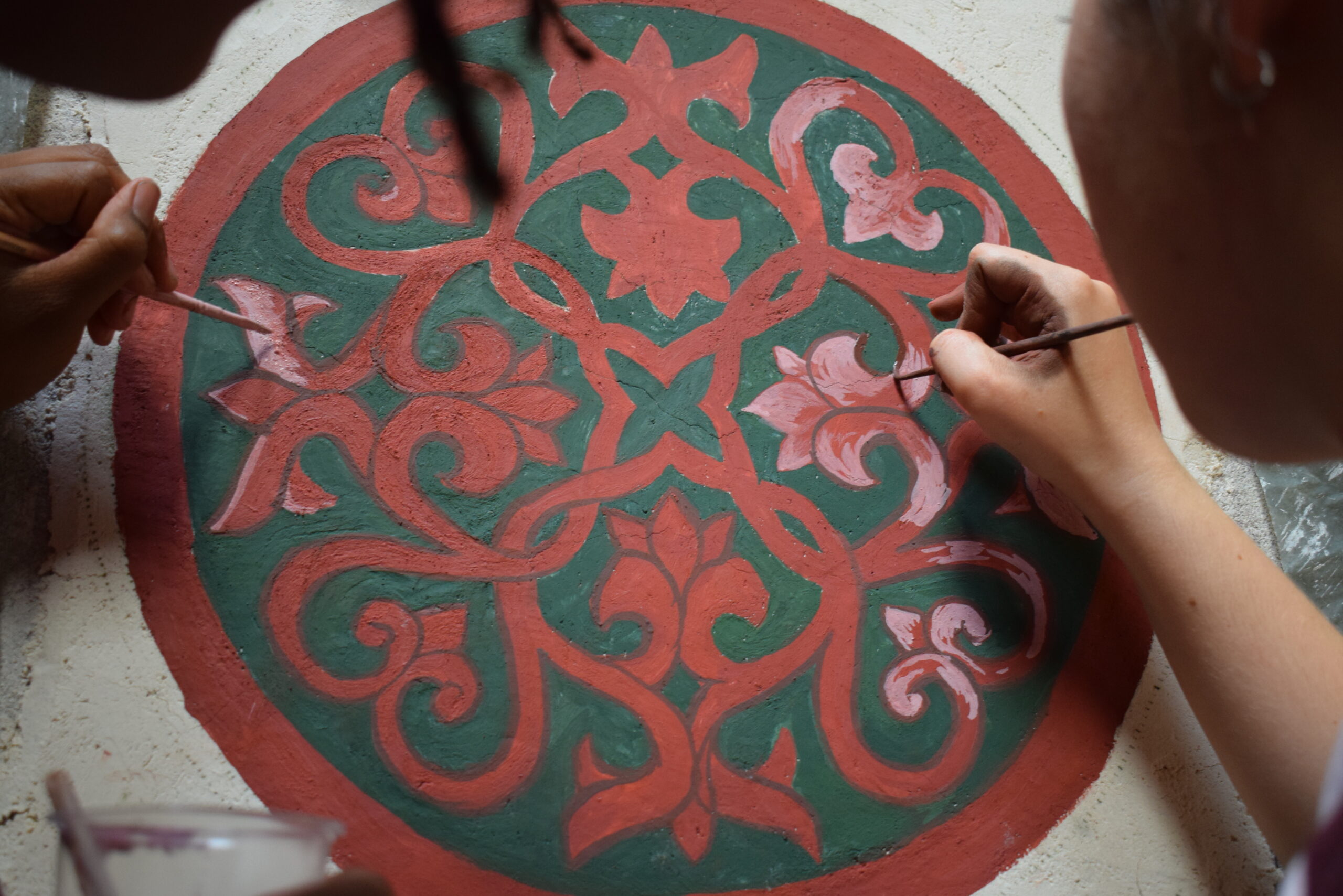
The practical training began after an introduction to occupational health and safety requirements. Márton Bikfalvi, site manager, and his team introduced participants to the processes involved in conservation work. Under the supervision of experienced instructors, participants in the masonry workshop contributed to the conservation of the interior walls of the western tower of the main building. They also had the opportunity to experiment with and learn a range of decorative plasture techniques, including fresco, secco, sgraffito and stucco marmorino.
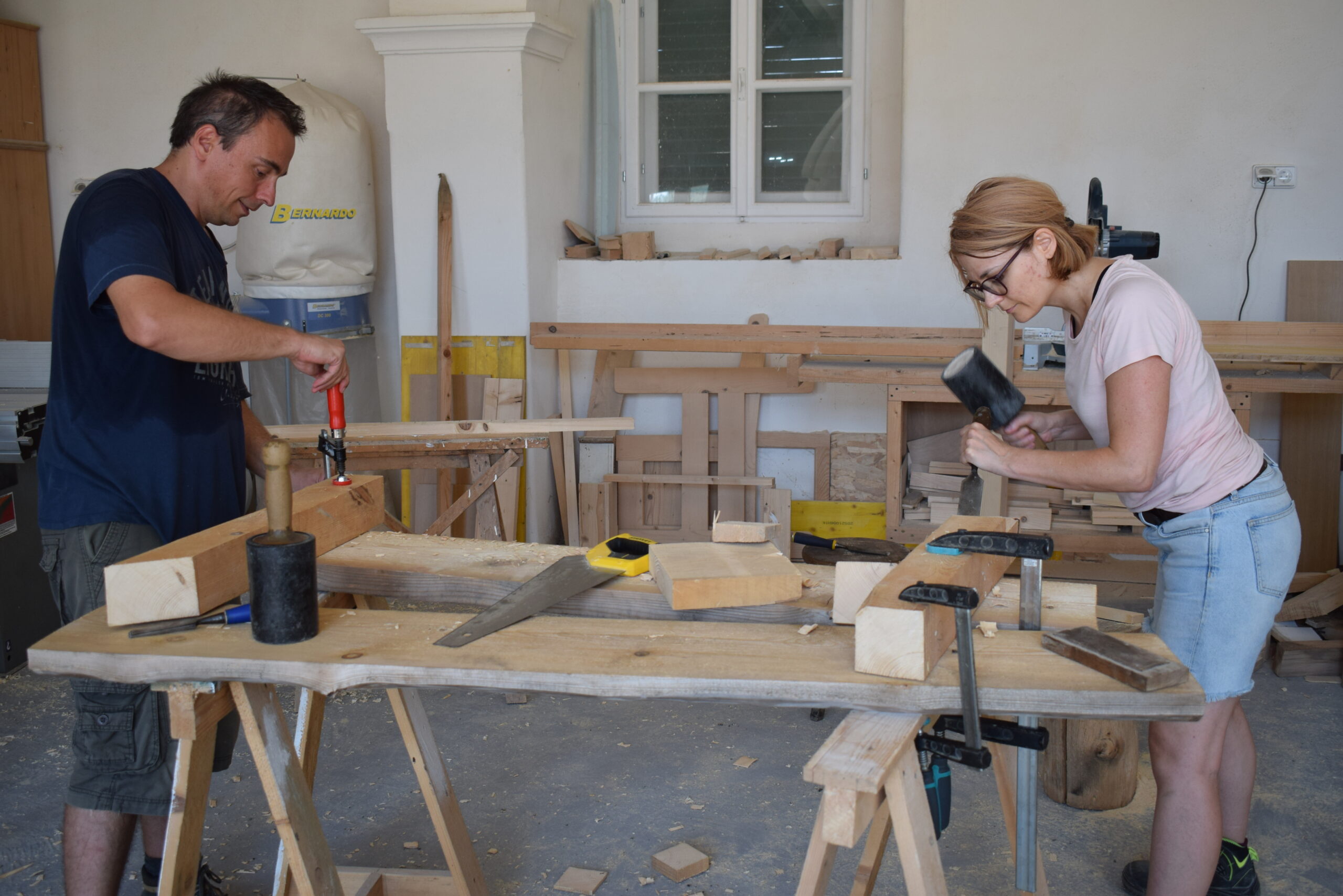
Those enrolled in the joinery workshop carried out their practical training in the former carriage house, where they learned to create various timber joints and gained hands-on experience in the restoration of historic furniture.
The second week of the training camp began with a lecture by structural engineer Makay Dorottya on interventions in historic building structures.
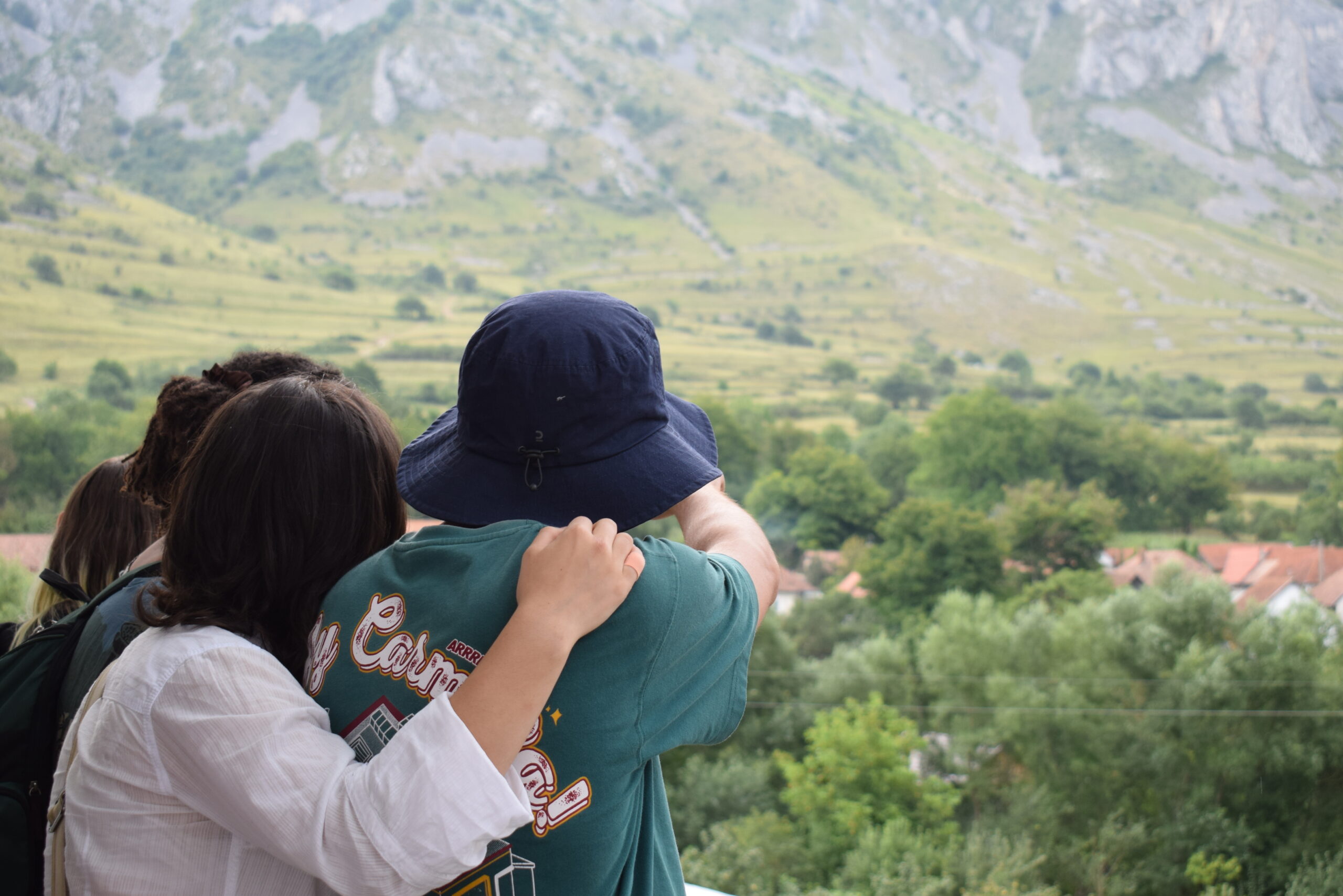
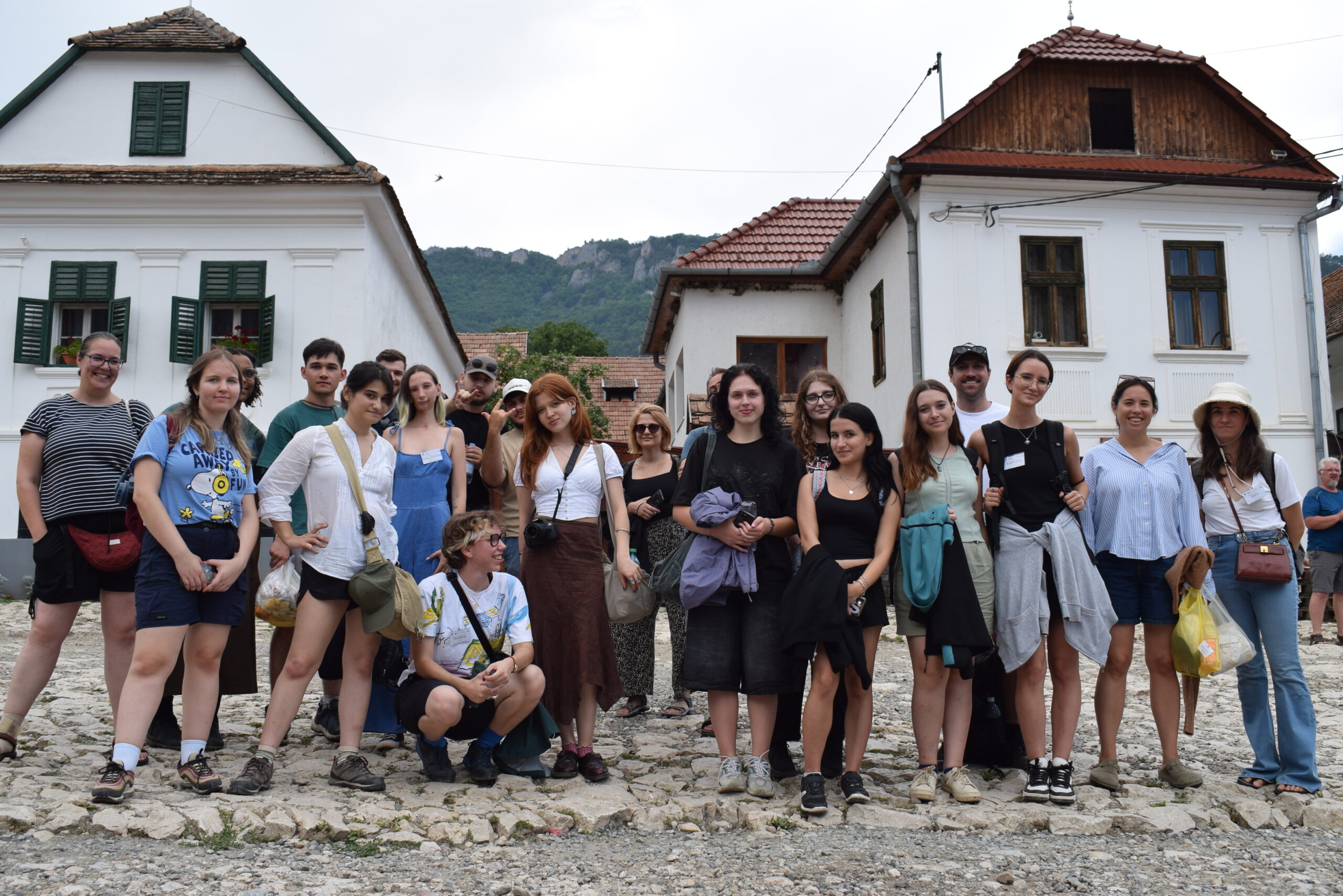
The programme was complemented by a two-day study field trip. At the first stop, Rimetea, participants explored the village’s traditional houses and visited an 18th-century mill, the ethnographic museum and the Unitarian church. In Sic, the group visited the medieval Reformed church, followed by the 18th-century wooden Orthodox Church of the Holy Archangels Michael and Gabriel. The professional programme of the study trip concluded with a walk through the Sic Reedbed Natural Reserve, while at the end of the trip the group enjoyed some time together at the salt lakes in Cojocna.
The training concluded with presentations of the workshop activities, during which participants themselves presented to their fellow participants, workshop leaders and interested members of the public the work they had carried out during the camp. This was followed by a written examination assessing the knowledge they had acquired. Feedback from the workshop leaders also formed part of the participants’ evaluation, and those who successfully met the programme requirements received certificates of achievement.
The two-week programme therefore provided not only an opportunity to acquire professional knowledge and practical experience, but also a chance for participants from different countries and professional backgrounds to work together on the conservation of Bánffy Castle in Bonțida.
The 2026 Built Heritage Conservation Training Camp was organised with the support of the Romanian Order of Architects (OAR), The King’s Foundation, the Communitas Foundation and the National Cultural Fund of Hungary (NKA).